Top Experts Discuss 2 Common Foods That May Affect Blood Pressure as You Age
For years, millions of Americans over 55 have been told rising blood pressure is "just part of getting older." But cardiologists now point to something else: two everyday foods most people eat at lunch, believing they're the healthy choice. One man learned this the hard way, on a bathroom floor at 2:17 in the morning.
Limited-time offer47% OFF Kora
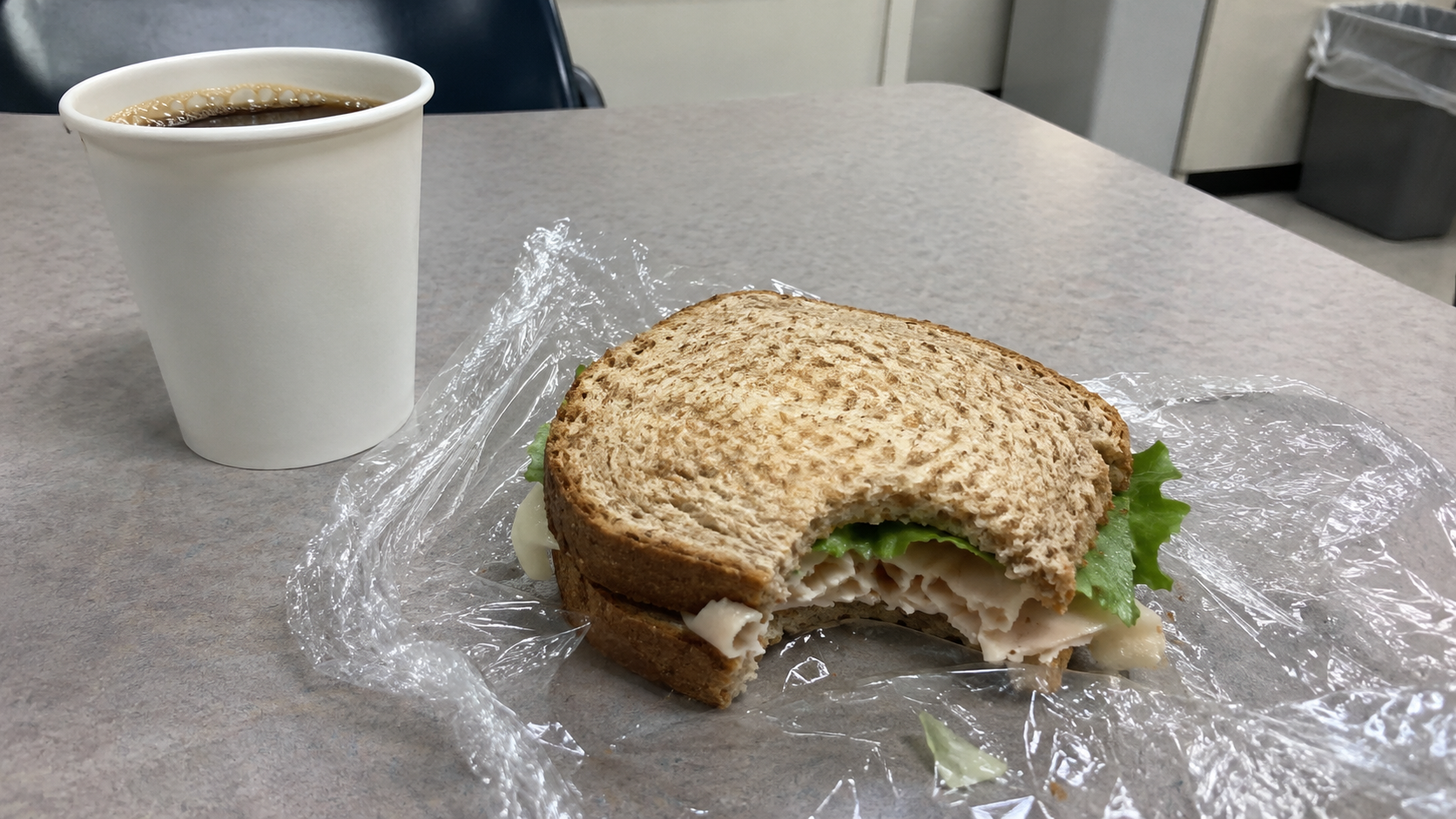
I'm sitting in the break room with the same turkey sandwich on whole wheat I've packed for twenty years, listening to two coworkers agree that high blood pressure is "just what happens after 60."
And all I can think about is last Christmas Eve, the night my wife Linda found me collapsed on the bathroom floor.
December 24, 2025. 2:17 AM.
Her scream echoed through the whole house:
"Frank! Oh my God! FRANK!!!"
I tried to talk, but the words came out slurred and broken.
My eyes found hers, but everything was blurry, like looking through a fogged-up windshield. My head was pounding so hard I could feel my heartbeat behind my eyes.
She was sobbing, her voice cracking:
"You got up to use the bathroom and I heard this THUD. You weren't answering me!"
Her hands were shaking so badly she kept dropping her phone, trying to unlock it to call 911.
The screen lit up her tear-streaked face when she finally got it open, her finger hovering over the emergency call button.
"Should I call? Frank, should I call an ambulance? Talk to me, PLEASE—"
I managed to shake my head and tried to sit up.
The room was spinning.
"I'm... I'm okay... just got... dizzy..."
But we both knew. It wasn't okay. It was the third time in two months that pounding headache had dragged me out of bed in the middle of the night. And this time there was blood. My nose wouldn't stop bleeding.
Linda grabbed the cuff from the nightstand. The screen read 192 over 118.
That's what happens when your blood pressure climbs for years and you keep telling yourself it's "just age."
That night was my wake-up call.
Linda and I had a great life. 31 years of marriage. Two grown kids, three grandkids. A hardware store I built from nothing.
Then my numbers started climbing.
First it was 140. Then 150. Then my doctor stopped saying "let's keep an eye on it" and started writing prescriptions.
We did everything they tell you to do. Linda threw out the salt shaker. We switched to whole wheat bread and lean turkey. I started walking after dinner. Nothing worked. The numbers kept going up.
Eventually I stopped picking up my grandson. I stopped going up the ladder at the store. Linda started checking on me at night. In 31 years of marriage, I had never seen her afraid to fall asleep next to me.
The cardiologist's warning changed everything
"This isn't your age, Frank," the cardiologist said. "Your arteries are stiffening, and something you're eating every single day is speeding it up."
He explained it in simple terms: the inner lining of the arteries is supposed to be soft and flexible, like a garden hose that expands when the water pushes through. Mine was turning rigid, like an old hose left out in the sun.
No wonder my heart was working so hard.
Warning signs you shouldn't ignore
The cardiologist explained that high blood pressure is much more than a number on a cuff. Your body is fighting a silent battle every single day, and most people don't even feel it.
In my case, it started with the morning headaches: a dull pressure at the back of my skull every single day. Then came the fog that made it hard to remember a customer's order five minutes later.
The scariest part? My numbers kept climbing even on medication, and my mood got worse every week. The cardiologist said it was textbook: stiff arteries don't just raise your numbers, they slowly wear down your heart, your kidneys and your brain.
"Unfortunately," he added, "most treatments haven't changed much in decades. They push the number down, but they don't touch why the artery got stiff in the first place." Then he walked me through the usual options.
The cardiologist explained that one of the biggest drivers of stiff arteries is hidden sodium, and it doesn't come from the salt shaker.
It comes from 2 foods most people over 55 eat almost every day, thinking they're the healthy choice:
- Packaged deli turkey and lunch meats. Even the "lean" and "low-fat" ones.
- Store-bought sandwich bread. Yes, even the "heart-healthy whole wheat" kind.
A 2026 CDC report found that deli meat sandwiches are now the single biggest source of sodium in the American diet, with breads and rolls right behind them (CDC, 2026).
"Here's what most people don't know," he said. "Researchers found that even a small rise in blood sodium makes the lining of your arteries physically stiffer and shuts down nitric oxide, the molecule that tells your blood vessels to relax" (Oberleithner et al., PNAS 2007).
"So you've been eating my 'healthy' lunch... and it's been hardening my arteries for twenty years?" I asked.
He nodded. "And here's the frustrating part. I see you for ten minutes every three months. I get one reading, in my office, at 9 AM, before you've eaten anything. I never see what happens to your pressure at 2 PM, after that sandwich. Neither do you."
Then he said the sentence that changed everything:
"Frank, you can't avoid what you can't see."
The "solutions" that made everything worse
First came the pills. One gave me a dry cough that kept Linda up all night. Another made me so dizzy I had to grab the counter every time I stood up. Linda said I'd gone from "Frank" to "the guy who naps in the recliner at 4 PM."
Then came the cheap drugstore cuff. I'd check my pressure every morning and scribble the number on a sticky note on the fridge. Some days it said 138, some days 171. I had no idea why. It gave me a number, but no story behind it. And half the time I forgot to write it down.
Even "doing everything right" didn't help. Unsalted chicken, steamed broccoli, evening walks, every pill on time. Every morning I'd wake up with that same pressure in the back of my head, dreading the number on the cuff, because I was still eating the two foods actually doing the damage, and I had no way to see it.
I'd spent hundreds of dollars on co-pays, low-sodium specialty foods and supplements that did nothing, and I felt like a patient instead of a husband. That's when Linda decided to take matters into her own hands.
At my next appointment, the cardiologist said my numbers were high enough to add a second medication, and possibly a third if that didn't work.
The simple solution my wife discovered
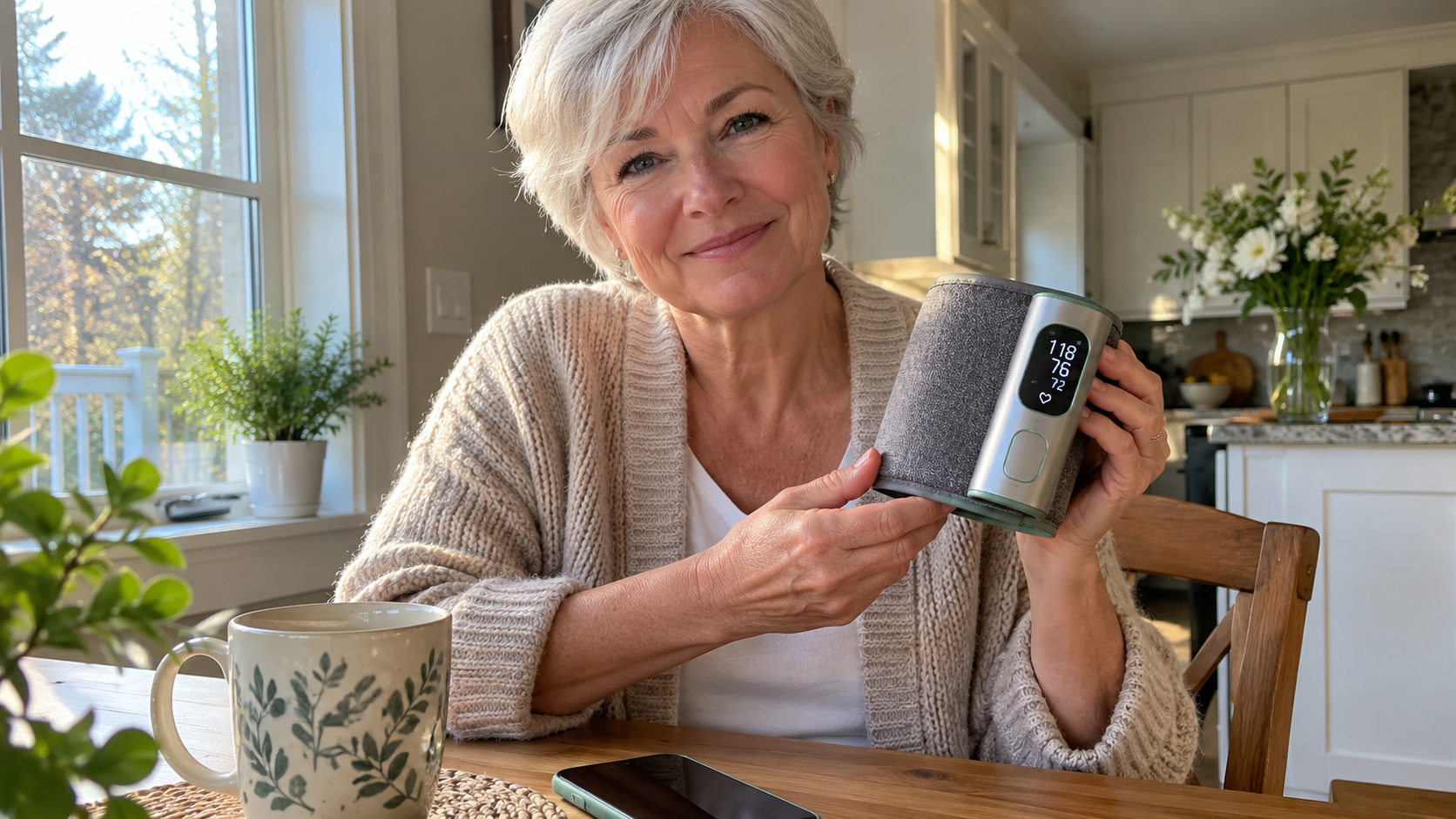
That's when Linda found Kora online. At first I was skeptical. I already had a cuff, so why would I need another one? But what caught my attention was that Kora wasn't just a cuff. It's an upper-arm blood pressure monitor that also records a single-lead ECG and your heart sounds, and it syncs everything to an app on your phone. For the first time, I could see what happened to my pressure after I ate, day after day, on a chart, instead of guessing from sticky notes.
Comments


Gloria Hensley
2 days
Dennis Carver
1 dayThe first day changed everything
When Kora arrived, I was surprised by how simple it was. No tubes, no pump bulb. The cuff slides on your upper arm, the display is right there on the device, and the app connected in a couple of minutes. But the real test would be the readings...
I took my first reading that morning: 141 over 89. Not great, but not scary.
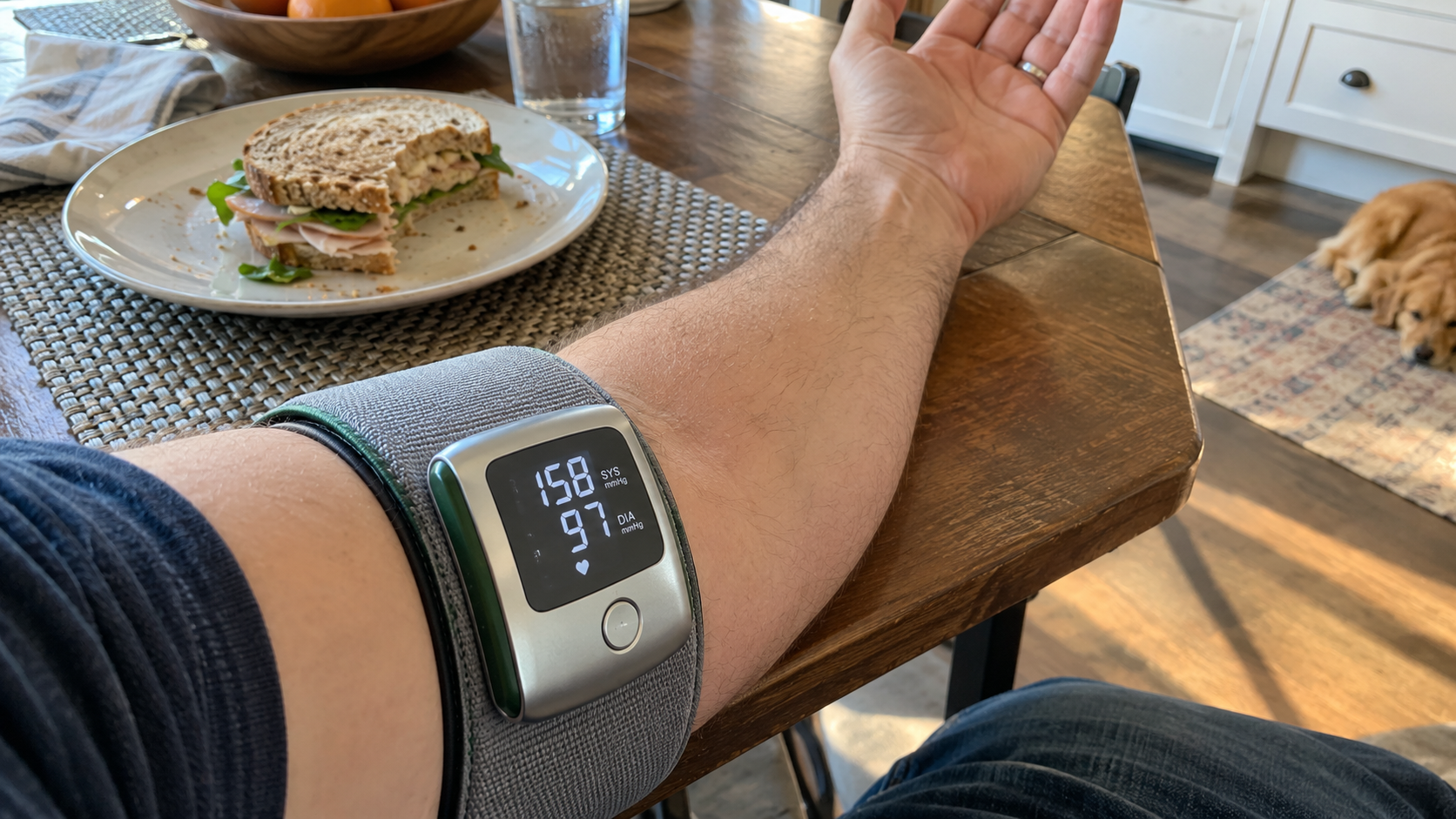
Then, out of habit, I ate my usual turkey sandwich on whole wheat for lunch. Two hours later, I sat down and took another reading.
158 over 97.
I just stared at the screen. Linda leaned over my shoulder and went quiet. "Frank... that's your lunch."
The cardiologist was right. It had been happening right in front of me for twenty years, and I'd never been able to see it.
My 30-day journey with Kora
After Day 1
That afternoon I threw the deli turkey and the sandwich bread in the trash. Linda made me a lunch with leftover roast chicken and a baked potato instead. That evening, my reading was 136 over 86, the lowest evening number I'd seen in months. I was skeptical, but now I had proof on my phone.
After 1 Week
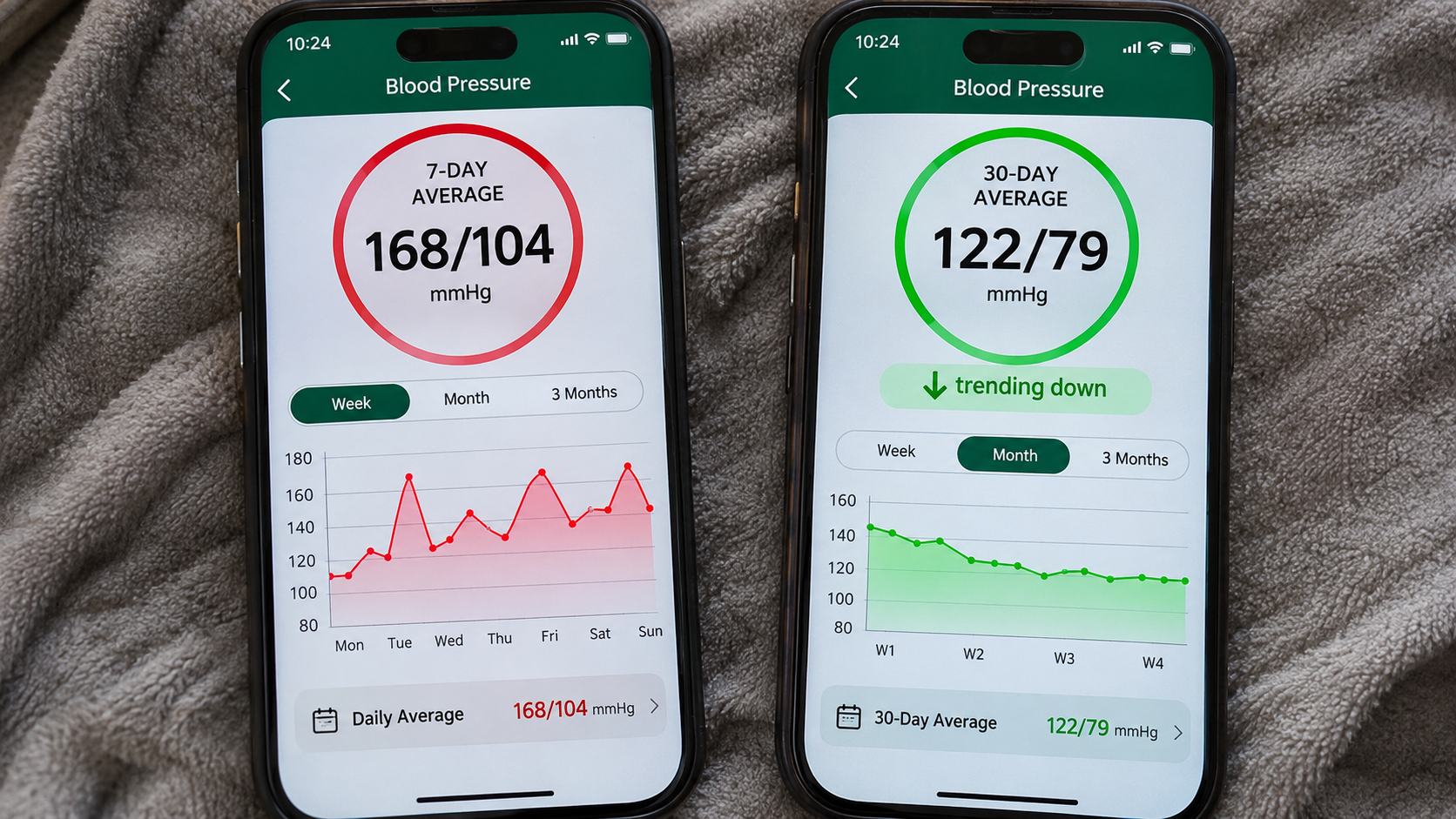
The app showed it clear as day. On the chart, my after-lunch spikes were gone, and my morning readings were trending down into the low 130s. That 3 PM crash where I'd fall asleep in the recliner? Gone. And for the first time, I wasn't waking up dreading the number on the cuff. I wanted to check it.
After 2 Weeks
One night my heart started fluttering and I panicked. Instead of rushing to the ER, I used Kora to record an ECG and sent it to my cardiologist's office the next morning, along with two weeks of blood pressure history. He called me back the same day. "This is exactly what I needed to see," he said. Linda and I started sleeping through the night again, without her lying awake listening to me breathe.
After 30 Days
It's like I discovered a brand-new life. The morning headaches? Gone. The dizzy spells? A distant memory. My 30-day average on the app was 122 over 79.
My cardiologist was amazed when he scrolled through my history.
He said that for the first time he could see what was actually happening between visits, and that we could hold off on that second prescription. The best part? I picked up my grandson again. Linda and I even booked our first trip in years, and Kora is coming with us in its travel case. That little device didn't just give me numbers. It gave me back the life I thought I'd lost.
Why Kora really works?
At first, my cardiologist was skeptical. Patients bring him crumpled notebooks of numbers all the time. But after he saw my Kora history, he started recommending it to his other patients with stubborn blood pressure. Here's what impressed him most:
The science behind seeing your real numbers
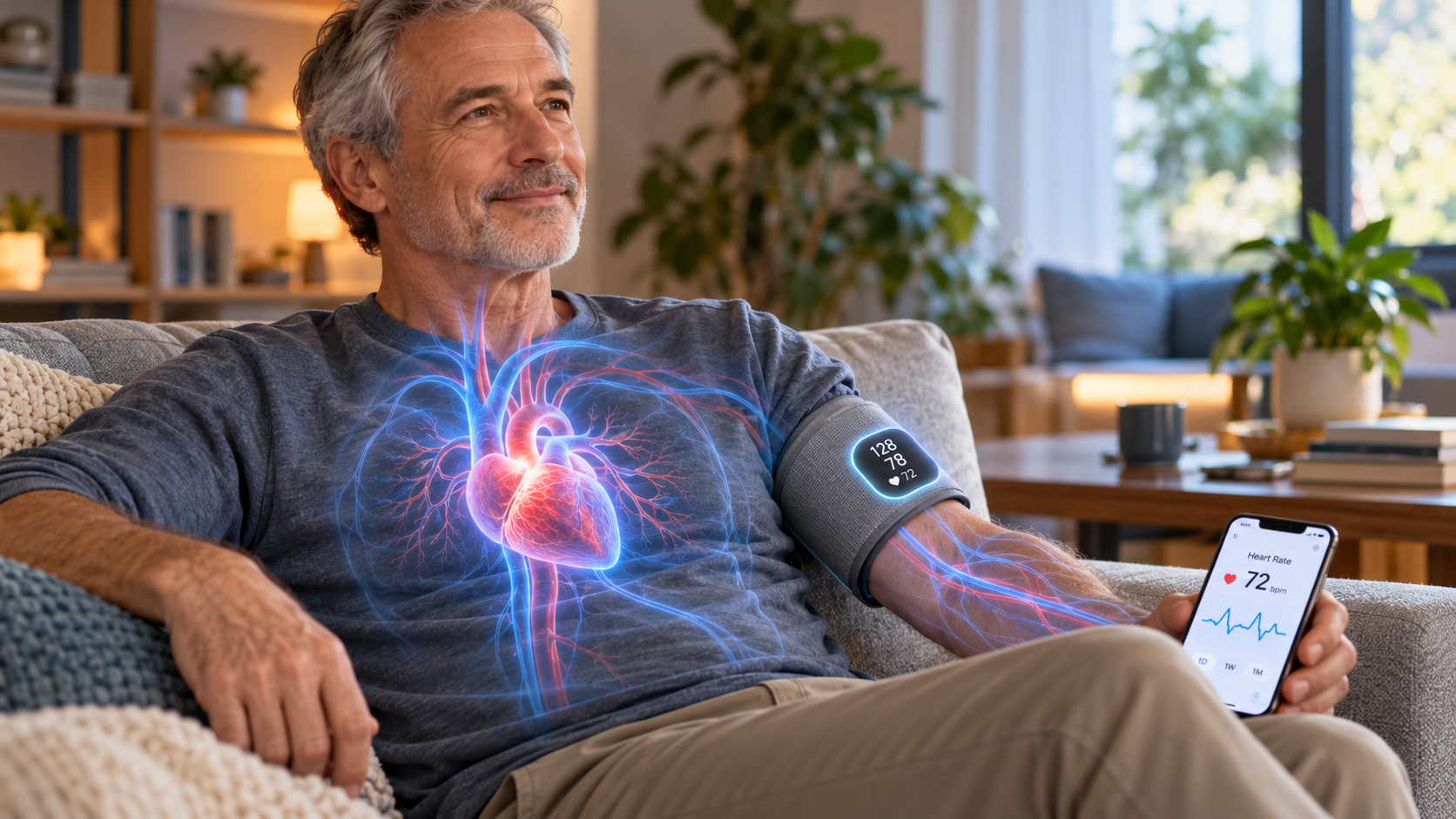
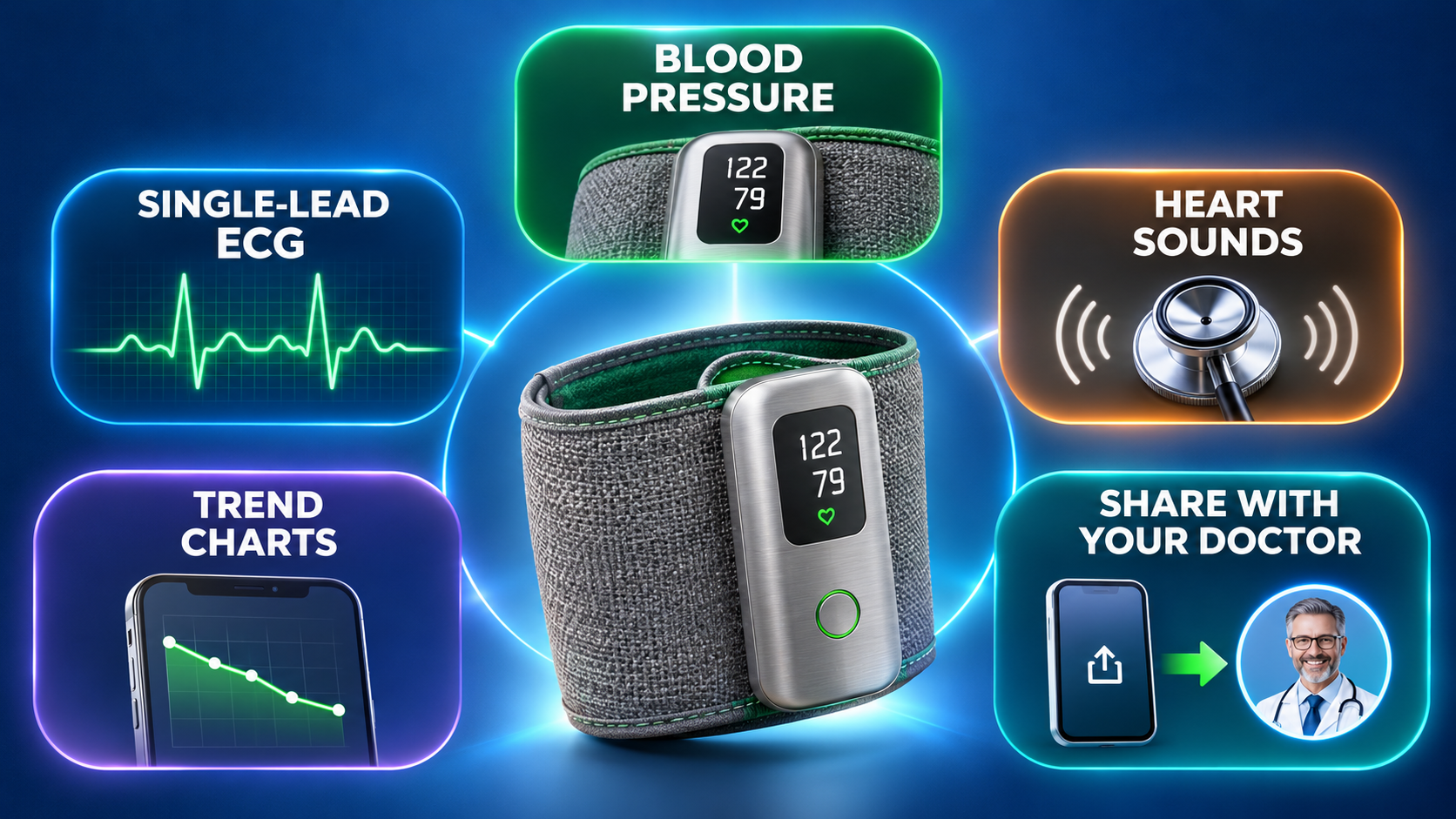
Unlike a basic drugstore cuff that gives you a number and forgets it, Kora combines three measurement functions and a connected app, so you finally see your pressure in context:
Upper-Arm Blood Pressure Measurement
Most cheap monitors give you a reading and nothing else. Kora's woven upper-arm cuff measures your systolic and diastolic pressure, and the reading shows right on the device's built-in display. No tubes, no pump bulb, no fumbling. Slip it on, press start, and you're done.
Single-Lead ECG Recording
This is like having a window into your heartbeat, right at home. When your heart pounds, flutters or races, you can record a single-lead ECG in the moment instead of trying to describe it to your doctor weeks later. Every recording is dated and saved, so nothing gets lost.
Digital Stethoscope for Heart Sounds
Think of it as your doctor's stethoscope, built into your monitor. Kora captures and records your heart sounds, so you can keep them alongside your blood pressure and ECG history, all in one place.
Trend Charts in the PureGreenWell App
This addresses the biggest blind spot of all: a single reading tells you nothing. Kora syncs over Wi-Fi and Bluetooth to the PureGreenWell app, which turns your readings into clear trend charts you can browse by date. That's exactly how I spotted my after-lunch spike. It's like having an invisible guide showing you what your body is doing between doctor visits.
Share Your History With Your Doctor
Remember walking into the cardiologist's office and trying to remember your numbers? With Kora, you share your measurement history straight from the app with your healthcare professional, so your home readings become part of your next conversation, not a guess.
What impressed my cardiologist the most?
It fits any routine. Whether you check first thing in the morning, after lunch like I do, or before bed like Linda, Kora keeps every reading organized and dated in the app. No wonder 87% of users say seeing their trends helped them have a better conversation with their doctor.
While an office visit gives your doctor one number every few months, Kora shows the whole story, every day in between. Simple, but incredibly effective.
Real people, real results
After I shared my story online, I got waves of messages from other Kora users. What surprised me most was how many of them had found their own "hidden trigger."
Carol Jennings, Columbus, OH
I'm 67 and my numbers have been creeping up for ten years. I tried so many monitors before this one. With Kora, I finally saw my readings jump every time I had canned soup for lunch. I swapped it out and my numbers came down. The best part? I can chase my grandkids around the yard without worrying!
Gary Whitaker, Tampa, FL
I've struggled with high blood pressure for years and never knew what was causing my bad days. I can't believe the difference seeing the trend chart made! Turns out my "healthy" ham sandwich was spiking me every afternoon. I highly recommend Kora to anyone dealing with the same thing!
Alice Morgan, Knoxville, TN
My heart would flutter at night and I'd lie awake terrified. With Kora I recorded an ECG and sent it to my doctor. Just having that peace of mind changed everything! If you're dealing with stubborn numbers or a heart that worries you, Kora is worth every penny.
Emily Garner, Boise, ID
My mom lives with us and her blood pressure was all over the place. I bought Kora for her two months ago. Now I can see her history in the app and share it with her doctor before every appointment. Her numbers are finally steady, and so is my peace of mind!
Mike Costello, Scranton, PA
Look, I've spent thousands on doctor visits, cuffs, special diets, you name it. I was on two prescriptions and still not where I needed to be. Then my wife ordered Kora. Once my cardiologist saw a month of real home readings, he finally adjusted my treatment the right way. My wife finally stopped checking on me at night!
Steve Villanueva, Sedona, AZ
The offer that makes it all easier
Kora's three-in-one design makes it one of the most complete home heart-health devices available. While a single cardiologist visit can cost $250–400, the makers are making this connected technology accessible to anyone struggling with high blood pressure.
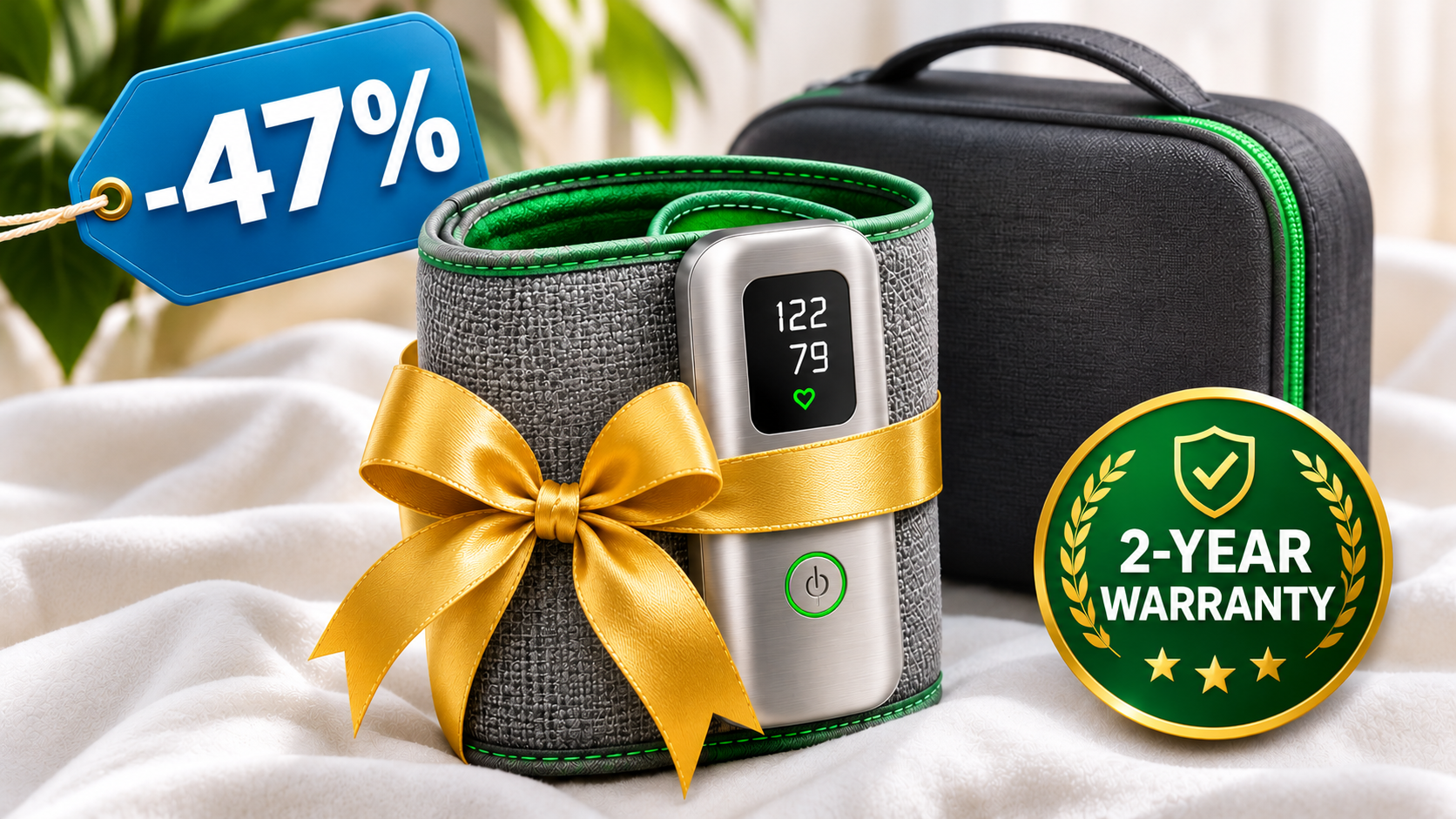
Right now they're offering a special 47% discount to readers of this article.
Plus, you'll get:
- Free standard shipping to all 50 states and Washington, DC
- 30-day returns, with return shipping covered
- 2-year manufacturer's warranty
Don't wait for the next 2 AM scare. Order your Kora today!
The limited-time offer ends soon
Word about Kora is spreading fast. Just last month, over 10,000 people took the leap and started seeing their real blood pressure at home.
With this limited-time discount, stock is selling out quickly. Once it's gone, it won't be available, and neither will this special price.
Don't spend another day guessing what's pushing your numbers up. Don't put your health, and the people who depend on you, at risk.
Click below to claim your Kora now and join thousands of others who are finally taking back control of their health.
Linda C.
I used to check my husband's pressure with an old cuff and write it on sticky notes. Not anymore! Now everything is in the app and his doctor sees it all.
Tom D.
Think about it this way
- A visit to a cardiologist: $250–400
- Monthly prescriptions and co-pays: $40–120
- One ER visit for a blood pressure spike: $1,500+
- Years of guessing which foods are hurting you: priceless
Or get Kora today at a RIDICULOUSLY low price(with the 47% discount).
My wife's final words
Last night, as we were getting ready for bed, Linda said something that brought tears to my eyes:
"I'd forgotten what it felt like to fall asleep next to you without wondering if you'd wake up. I'm so happy to have you back."
That's what Kora gave back to us: not just numbers on a screen, but peace of mind. The comfort of sharing our bed without fear. The energy to enjoy our life together.
Don't let one more "healthy" lunch quietly harden your arteries.
Order Kora today and finally see what your blood pressure is really doing!
Comments

Ray Delgado
8 hours
Sylvia Ortiz
3 hours
Roger Lyman
30 minutes
Gene Turner
3 minutes
Barbara Whitfield
2 days